The short answer
Often, yes — especially when the cause is temporary. Ringing after a loud concert usually settles within a day or two, and tinnitus from earwax, a cold or an ear infection commonly fades once the cause clears. Tinnitus that lasts six months or more is less likely to vanish completely, but for most people it becomes quieter and much less bothersome over time as the brain learns to tune it out. Protecting your ears, calming your nervous system, sleeping well and supporting healthy circulation all help that process along.
When the ringing first shows up, the question everyone asks is the same: will this stop? It is a completely understandable worry, and the honest answer is more hopeful than many people expect. Whether tinnitus fades, and how quickly, depends mostly on what set it off and how long it has been there. This guide walks through the most common situations, what to expect in each, and what you can do to help your ears and brain along.
It depends on what started it
Tinnitus is a symptom, not a single condition. The table below shows the most common triggers and what usually happens next. (For a deeper look at the causes themselves, see what causes that ringing in your ears.)
| Trigger | What usually happens | Helpful next step |
|---|---|---|
| A loud concert, bar or event | Commonly fades within a day or two; sometimes lingers a couple of weeks | Quiet time for your ears; earplugs next time |
| Earwax buildup | Often eases once the wax is safely removed | Have a clinician remove it; skip the cotton swabs |
| Cold, sinus or ear infection | Usually improves as congestion and fluid clear | Treat the infection; see a doctor if it lingers |
| A new medication | May settle if the dose or drug is changed | Talk to your prescriber; never stop on your own |
| Stress or poor sleep | Tends to rise and fall with the stressful period | Calming routine and regular sleep |
| Years of noise or age-related hearing changes | More likely to persist, but often becomes less noticeable | Hearing check, sound enrichment, daily ear care |
Short-term ringing: what to expect
After a loud event, the tiny sensory hair cells in your inner ear have been pushed hard. The ringing is a sign that they are stressed and recovering. In most cases it settles within hours to a couple of days. During that time:
- Give your ears a rest. Avoid loud places, headphones at high volume and power tools for a few days.
- Do not sit in total silence. Soft background sound, like a fan or quiet music, keeps the ringing from standing out.
- Sleep and hydrate. A rested, well-hydrated body recovers better.
- Protect your ears next time. Each repeat exposure raises the chance that the ringing lasts longer. Musician-style earplugs lower the volume without muffling the music.
Long-lasting tinnitus: the power of habituation
Specialists usually describe tinnitus as chronic once it has been present for about six months. That word sounds heavy, but here is the encouraging part: chronic does not mean "stuck like this." For most people, the brain gradually learns to file the ringing under "unimportant background noise" — the same way you stop noticing the hum of a fridge or the tick of a clock. This process is called habituation.
Habituation does not depend on luck. Several things help the brain get there faster:
- Sound enrichmentGentle background sound throughout the day and night gives the brain something neutral to focus on and makes the ringing less of a standout.
- A calmer nervous systemStress makes the brain treat the sound as a threat. Slow breathing, exercise and time outdoors lower the alarm.
- Better sleepA tired brain is far more aware of tinnitus. A steady bedtime routine pays off during the day too.
- Less "checking"Testing the ringing in quiet rooms keeps it in the spotlight. Absorbing activities move your attention elsewhere.
- Professional support when neededClinical guidelines from ear, nose and throat specialists recommend cognitive behavioral therapy for bothersome, persistent tinnitus, and hearing aids can help a lot when hearing loss is part of the picture.
Everyday habits that support your ears
Whatever stage you are at, a few daily habits help create the best conditions for your ears and brain:
- Follow the 60/60 idea for headphones: keep the volume at around 60% or less and take a break at least every hour or so.
- Keep blood pressure and circulation healthy. The inner ear depends on a steady blood supply, so movement and a balanced diet matter.
- Watch your personal triggers. Salt, alcohol and late nights affect some people more than others — our guide to foods and drinks that can make tinnitus worse shows how to find yours with a simple diary.
- Feed your ears well. Magnesium-rich foods, colorful vegetables, oily fish and plenty of water support healthy nerves and circulation.
When not to wait it out
Most tinnitus is not dangerous, but some patterns need a prompt medical check. See a doctor quickly if your tinnitus:
- comes with sudden hearing loss in one or both ears (try to be seen the same day)
- is only in one ear, or pulses in time with your heartbeat
- comes with dizziness, ear pain or discharge
- has not faded after a week or two, or is affecting your sleep and mood
Daily ear support: where Tinnoril fits
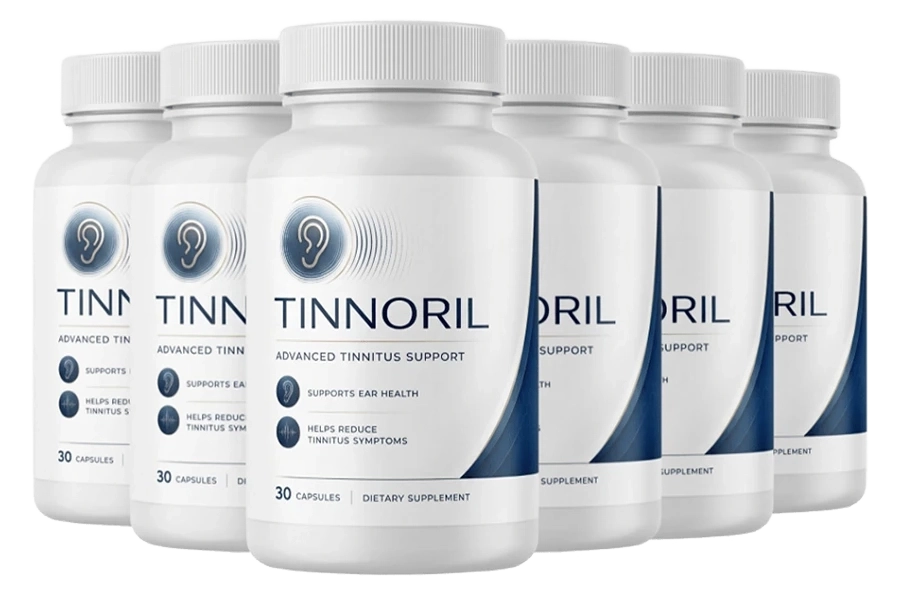
While your ears recover and your brain habituates, many readers like to add a simple daily supplement to their ear-care routine. Tinnoril, our top-rated pick, is a once-a-day capsule built on magnesium (80 mg, as well-absorbed magnesium glycinate) plus a blend of CoQ10, alpha lipoic acid, L-carnitine, turmeric and butcher's broom — nutrients chosen to support healthy circulation, nerve signaling and antioxidant defenses for the delicate inner ear. One capsule a day makes it easy to stay consistent, and consistency is what counts.
On the official site, Tinnoril costs $49 per bottle on the 6-bottle package ($69 each for 3 bottles, $79 each for 2), with free shipping on the larger packages and a 60-day money-back guarantee. It is a support for your ears, not a replacement for a medical check, so keep the red flags above in mind, give it several weeks of daily use, and ask your doctor first if you take prescription medication.
Common questions
Does tinnitus go away on its own?
Often, yes. Tinnitus caused by a short burst of loud noise, a cold, an ear infection or earwax commonly fades as the ear recovers or the cause is cleared. Tinnitus that has lasted for months is less likely to disappear completely, but for many people it becomes much quieter and far less noticeable over time.
How long does tinnitus last after a loud concert?
Ringing after a concert or other loud event usually settles within a day or two, and sometimes lingers for a couple of weeks. Give your ears quiet time to recover, and use hearing protection next time, because repeated exposure makes lasting ringing more likely.
When is tinnitus considered permanent?
Specialists usually call tinnitus chronic or persistent when it has lasted around six months or more. Chronic does not mean it will always feel the way it does now: through a process called habituation, most people notice their tinnitus less and are bothered by it less as time goes on.
What is tinnitus habituation?
Habituation is the brain learning to treat the ringing as unimportant background noise, the same way you stop noticing a ticking clock or the hum of a fridge. Calm routines, sound enrichment, good sleep and approaches such as cognitive behavioral therapy all help the brain get there faster.
When should I see a doctor about tinnitus?
See a doctor promptly if tinnitus starts suddenly, is only in one ear, pulses in time with your heartbeat, or comes with hearing loss, dizziness or ear pain. Sudden hearing loss should be checked the same day if possible. Also book a visit if the ringing has not faded after a week or two.
Can a supplement help tinnitus fade?
A supplement is a supporting habit rather than a treatment. Tinnoril combines magnesium with CoQ10, alpha lipoic acid, L-carnitine, turmeric and butcher's broom to support healthy circulation and antioxidant defenses for the ears, and many people like it as part of a daily ear-care routine alongside noise protection and good sleep.
Or start from the overview on our Ear Health home page.