The short answer
No single food causes tinnitus, but a few can turn up the volume for some people — most often very salty meals, alcohol, large amounts of sugar and, for a minority, caffeine. Salt matters most for people with Meniere's disease. The smartest move is a short food-and-ringing diary to find your triggers, combined with an ear-friendly eating pattern rich in magnesium, antioxidants, omega-3s and water.
Search "foods that make tinnitus worse" and you will find long, scary lists that ban everything from coffee to cheese. The reality is calmer — and more useful. Research on diet and tinnitus is still limited, and people respond very differently. But there are a handful of foods and drinks that come up again and again, and a few simple habits that help almost everyone's ears. Here is the honest version.
The usual suspects: what may turn up the ringing
1. Salt and heavily processed foods
Salt has the clearest story — for a specific group. In Meniere's disease, an inner-ear condition that combines tinnitus, dizziness spells and fluctuating hearing, a lower-sodium diet is a standard part of management because it helps keep inner-ear fluid more stable. For everyone else, the link is indirect: diets high in sodium are tied to higher blood pressure, and the inner ear is very sensitive to blood flow. Canned soups, deli meats, chips, frozen meals and fast food are where most of our salt hides.
2. Alcohol
Many people with tinnitus notice the ringing is louder for a few hours after drinking, or the next morning. Alcohol affects blood flow and, just as importantly, breaks up sleep — and a tired brain is far more aware of tinnitus. Others notice no effect at all. Moderation, and skipping that late-night drink, is a fair experiment.
3. Caffeine — less guilty than its reputation
Coffee is often the first thing people are told to quit, yet larger studies have not found a clear link between normal caffeine intake and worse tinnitus. Some individuals are genuinely sensitive, so it is worth testing. If you cut back, do it gradually: abrupt caffeine withdrawal brings headaches, irritability and poor sleep, which can make the ringing more noticeable for a while.
4. Sugar and refined carbs
Big blood-sugar swings affect circulation and nerves over time, and long-term blood-sugar problems are associated with hearing changes. Frequent sodas, sweets and white-flour snacks are worth trimming for your ears and your overall health alike.
5. Tonic water (quinine)
Quinine, the ingredient that gives tonic water its bitter taste, is a well-known cause of tinnitus at medicinal doses. The amount in tonic water is far smaller, but if you drink it often and notice a pattern, it is an easy one to cut.
6. Very large amounts of certain pain relievers
Not a food, but worth knowing: high doses of aspirin and some other medications are known to cause ringing. Never stop or change a prescribed medicine on your own — if your tinnitus began with a new drug, talk to your prescriber.
At a glance
| Food or drink | How strong is the link? | Practical move |
|---|---|---|
| Salt / processed food | Strongest for Meniere's disease; indirect via blood pressure for others | Cook more at home, read sodium labels |
| Alcohol | Varies by person; often linked to worse sleep | Keep it moderate, not close to bedtime |
| Caffeine | Weak in larger studies; some people are sensitive | Test it; cut back gradually if needed |
| Sugar / refined carbs | Indirect, via circulation and blood sugar | Swap sodas and sweets for whole foods |
| Tonic water | Quinine is a known trigger at medicinal doses | Cut back if you notice a pattern |
How to find your personal triggers
Because people react so differently, a simple diary beats any generic list. For two to four weeks, jot down:
- What you ate and drank, and roughly when
- How many hours you slept and how well
- Your stress level for the day
- How loud the ringing felt, on a scale of 1 to 10, morning and evening
Patterns usually show up fast. Then change one thing at a time for a week or two to confirm it. You will often find that sleep and stress move the needle as much as food does — we cover those everyday drivers in what causes that ringing in your ears.
Ear-friendly foods worth adding
No food cures tinnitus, but a few nutrients come up repeatedly in hearing research because they support the inner ear's blood flow and its delicate nerve cells:
- Magnesium-rich foods. Spinach and other leafy greens, pumpkin seeds, almonds, black beans and whole grains. Magnesium supports healthy nerve signaling and is one of the most studied nutrients for ear health.
- Colorful fruits and vegetables. Berries, citrus, peppers and leafy greens supply antioxidants that help protect cells from oxidative stress.
- Oily fish. Salmon, sardines and mackerel provide omega-3 fats and also contain natural CoQ10.
- Turmeric and spices. Cooking with herbs and spices adds flavor without salt — a double win.
- Water. Staying well hydrated supports healthy circulation, including to the inner ear.
Want to know which of these nutrients have the most research behind them? Our evidence rundown, magnesium, CoQ10 and tinnitus, ranks them one by one.
When food is not the answer
Please see a doctor promptly if your tinnitus is sudden, in one ear only, pulsing in time with your heartbeat, or comes with hearing loss, dizziness or ear pain. Those patterns need a proper diagnosis, and no diet change or supplement should delay it.
Making it easier: daily ear support
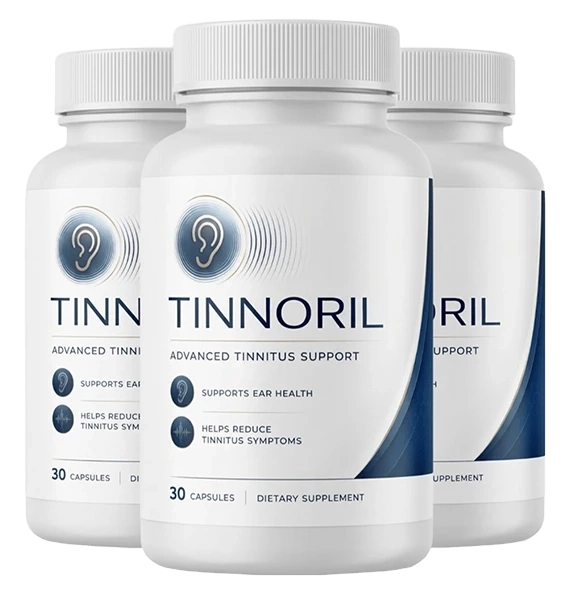
Eating perfectly every day is hard. That is where a well-built ear-support supplement can fit in as a simple daily habit. Tinnoril, our top-rated pick, is a once-a-day capsule built on exactly the nutrients above: magnesium (80 mg, as well-absorbed magnesium glycinate) plus a blend of CoQ10, alpha lipoic acid, L-carnitine, turmeric and butcher's broom for antioxidant and circulation support.
On the official site, Tinnoril costs $49 per bottle on the 6-bottle package ($69 each for 3 bottles, $79 each for 2), with free shipping on the larger packages and a 60-day money-back guarantee. Give it several weeks of daily use alongside the food habits above, and check with your doctor first if you take prescription medication.
Common questions
Does caffeine make tinnitus worse?
For most people, probably not. Larger studies have not found a clear link between normal coffee intake and worse tinnitus. Some individuals do notice a difference, so the honest advice is to test it yourself, and if you cut back, do it gradually because sudden caffeine withdrawal can bring headaches and poor sleep that make ringing more noticeable.
Can salty food make ringing in the ears worse?
Salt matters most for people with Meniere's disease, where a lower-sodium diet is a standard recommendation to help manage inner-ear fluid. Diets high in sodium are also linked to higher blood pressure, which can make tinnitus more noticeable for some people, so keeping processed and salty foods in check is sensible for everyone.
Is alcohol bad for tinnitus?
Responses vary. Some people find that alcohol makes their ringing louder for a few hours or the next morning, often because it affects blood flow and disrupts sleep. Others notice no change. Keeping intake moderate and avoiding drinks close to bedtime is a reasonable approach.
What foods are good for tinnitus?
No food cures tinnitus, but an ear-friendly pattern supports healthy circulation and nerves: magnesium-rich foods such as leafy greens, nuts, seeds and beans; colorful fruits and vegetables for antioxidants; oily fish for omega-3 fats; whole grains; and plenty of water.
How can I find out which foods trigger my tinnitus?
Keep a simple two-to-four-week diary. Note what you eat and drink, how you slept, your stress level and how loud the ringing felt on a scale of 1 to 10. Patterns usually appear quickly, and you can then change one thing at a time to confirm a trigger.
Or start from the overview on our Ear Health home page.